 Pon - Pet: 07-21h / Sub: 08-14h
 +381 64 57 57 777
 Riste Marjanovića 10
Why Does the Knee Hurt?
Knee pain is one of the most common joint problems and can occur at any age. It may develop suddenly following an injury or overuse, or gradually without an obvious cause.
Symptoms can be mild and occasional, but they may also become severe enough to significantly affect walking, climbing stairs, squatting, and everyday activities. This is why it is important to identify the cause of the pain and begin appropriate treatment in a timely manner.
Most Common Causes of Knee Pain
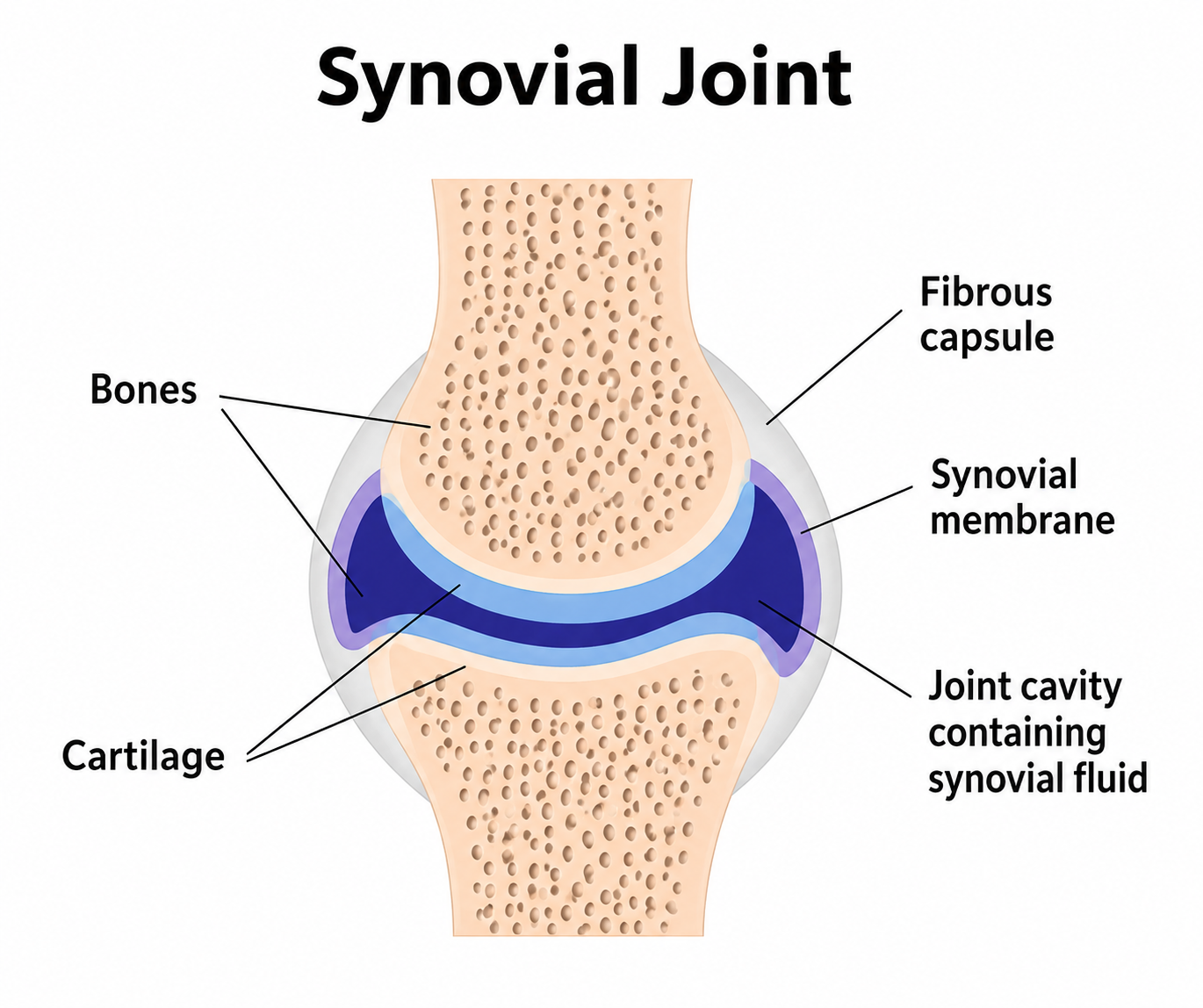
Knee pain can have many different causes. In younger people, it is most commonly associated with injuries, while in older adults it is more frequently caused by degenerative changes, particularly the wearing down of cartilage (osteoarthritis).
The most common causes can be divided into several groups:
- acute injuries (meniscus, ligaments, muscles, and tendons)
- degenerative changes (cartilage damage, knee osteoarthritis)
- inflammatory conditions (tendinitis, bursitis)
- mechanical factors (deformities, poor leg alignment)
- overuse (sports, prolonged standing, increased body weight)
It is important to note that pain does not always originate directly from the knee and may sometimes be caused by a problem in the hip or spine.
When Should You See a Doctor?
Mild pain that resolves with rest is usually not a cause for concern. However, a medical examination is recommended if:
- the pain persists or gets worse
- the knee becomes swollen
- there is a feeling of instability
- the knee catches, gives way, or locks
- it is difficult to put weight on the affected leg
- pain is present even at rest
- redness, warmth, or fever is present
Timely diagnosis enables more effective treatment and can help prevent further damage to the joint.
How Is the Diagnosis Made?
Diagnosis is based on a discussion with the patient and a clinical examination.
When necessary, additional diagnostic tests may include:
- X-ray
- ultrasound examination
- magnetic resonance imaging (MRI)
- laboratory tests
- joint aspiration (in certain cases)
The aim is to accurately determine the cause of the pain and plan the most appropriate treatment.
Knee Pain Treatment
Treatment depends on the cause and severity of the symptoms. In most cases, treatment begins with non-surgical methods.
Exercises and Physical Therapy
Therapeutic exercises are a fundamental part of treatment for many patients. Their purpose is to strengthen the muscles surrounding the knee and reduce stress on the joint.
Exercises most commonly focus on:
- the muscles at the front and back of the thigh
- knee stability
- stretching shortened or tight muscles
It is important that exercises are properly selected and individually adapted to each patient, as incorrect exercise technique may worsen symptoms.
Physical therapy is used as an additional treatment and can help reduce pain and swelling. It most commonly includes electrotherapy, therapeutic ultrasound, laser therapy, and other treatment methods.
Knee Injections
For patients whose pain does not improve with initial treatment, intra-articular injections may be considered. Hyaluronic acid injections and PRP therapy are among the most commonly used options.
Hyaluronic acid injections help improve joint lubrication, reduce friction, and relieve pain. They are generally most effective in mild to moderate osteoarthritis, and their effects may last for several months.
PRP therapy involves the use of the patient’s own platelet-rich plasma with the aim of reducing inflammation and stimulating regenerative processes within the joint. The effects develop gradually and depend on the stage and severity of the joint damage.
It is important to emphasise that injections are not a substitute for exercise and rehabilitation but are used as part of a comprehensive treatment plan.
Knee Surgery
Surgical treatment may be considered when conservative methods do not provide satisfactory results or when the joint is significantly damaged.
For mild to moderate damage, certain knee conditions can be treated using minimally invasive (arthroscopic) procedures.
However, in advanced degenerative conditions such as severe osteoarthritis, when the cartilage has significantly worn down and pain is persistent, the most effective treatment option may be knee replacement surgery.
During knee replacement surgery, damaged joint surfaces are replaced, which can:
- reduce or completely eliminate pain
- improve mobility
- enable a return to everyday activities
The decision to proceed with surgery is based on the clinical examination, imaging findings, and severity of symptoms, while also taking into account the patient’s individual needs and expectations.
Recovery After Treatment
The duration and course of recovery depend on the underlying cause and type of treatment. In milder cases, improvement may occur within several weeks, while a longer rehabilitation period is required following surgery.
During recovery, it is important to:
- follow your doctor’s recommendations
- perform prescribed exercises regularly
- gradually increase your level of activity
- avoid sudden or excessive strain
- maintain an optimal body weight
Following surgical treatment, rehabilitation plays a key role in achieving a good functional outcome.
Conclusion
Knee pain is a common problem that can have many different causes. In most cases, it can be successfully treated using non-surgical methods, while surgery is considered when there is a clear medical indication.
Seeking medical advice in a timely manner and following an appropriate treatment plan are essential for reducing pain and preserving joint function.
If you are experiencing knee pain, consult a doctor for an examination and an accurate diagnosis.





 ordinacijamimedical@gmail.com
 Facebook
 @mi.medical_