 Mon – Fri: 7am–9pm / Sat: 8am–2pm
 +381 64 57 57 777
 Riste Marjanovića 10
Sports medical examinations – you ask, MI answers
Sports medical examinations play an important role in assessing athletes’ fitness and ensuring that physical activity is safe. Below we answer the most common questions about who needs these examinations, how often they are done and what they include.
1. Who is required to have a sports medical examination?
Sports medical examinations are mandatory under the Law on Sport of the Republic of Serbia and the relevant regulations for certain categories of participants in sport, including athletes who take part in organized sports activities and competitions.
Requirements and obligations may differ depending on age, type of sport, level of competition and the rules of the relevant sports federation.
2. How often are sports medical examinations done?
According to the regulations of the Republic of Serbia, sports medical examinations for categories of athletes who are required to have periodic fitness checks are, as a rule, carried out every six months.
Children up to the age of 12 have a basic sports medical examination, while older athletes, in accordance with the prescribed conditions, also have an extended examination that includes an exercise stress test.
Athletes under the age of 12 who train more than 10 hours a week may be required to have an additional examination with a stress test.
The exact scope and frequency of examinations are determined by the applicable regulations and the rules of the relevant sports federation.
3. Why are sports medical examinations important?
Today, sports medicine covers much more than routine check-ups and stamping the competition booklet. It involves a comprehensive assessment of health, physical fitness and possible health risks related to sport.
Sports medical examinations are important for:
- Detecting heart conditions and conditions that may appear during physical exertion, in order to recognize the risk of serious cardiovascular events.
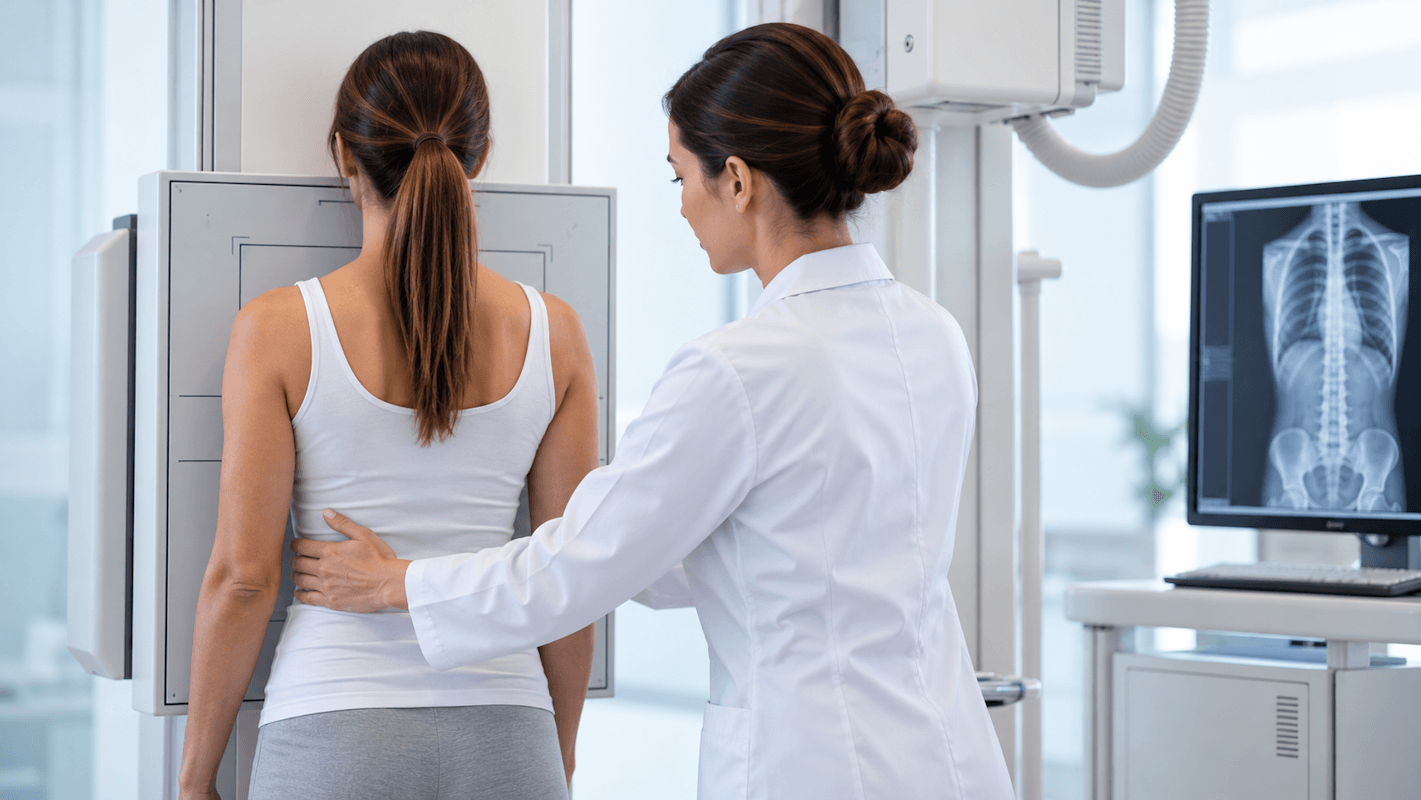
- Assessing posture and the musculoskeletal system – monitoring growth and development and spotting irregularities and imbalances that may contribute to deformities or injuries.
- A safe return to training and competition after an injury, illness or a longer break.
- Meeting the prescribed health requirements for practicing sport and taking part in competitions, in accordance with the rules of the relevant sports federation.
4. What does a sports medical examination look like?
A sports medical examination begins with a detailed conversation with the athlete and the collection of information about their health, previous illnesses, injuries, family medical history and sports activities.
After the appropriate questionnaire is completed, a basic or extended sports medical examination is carried out, depending on the athlete’s age and the prescribed requirements.
5. What does a basic sports medical examination include?
A basic sports medical examination includes:
- Anthropometric assessment – measuring height and weight and, for certain categories of athletes, assessing body composition. Body mass index (BMI) is interpreted according to age, and in children and adolescents using the appropriate percentiles.
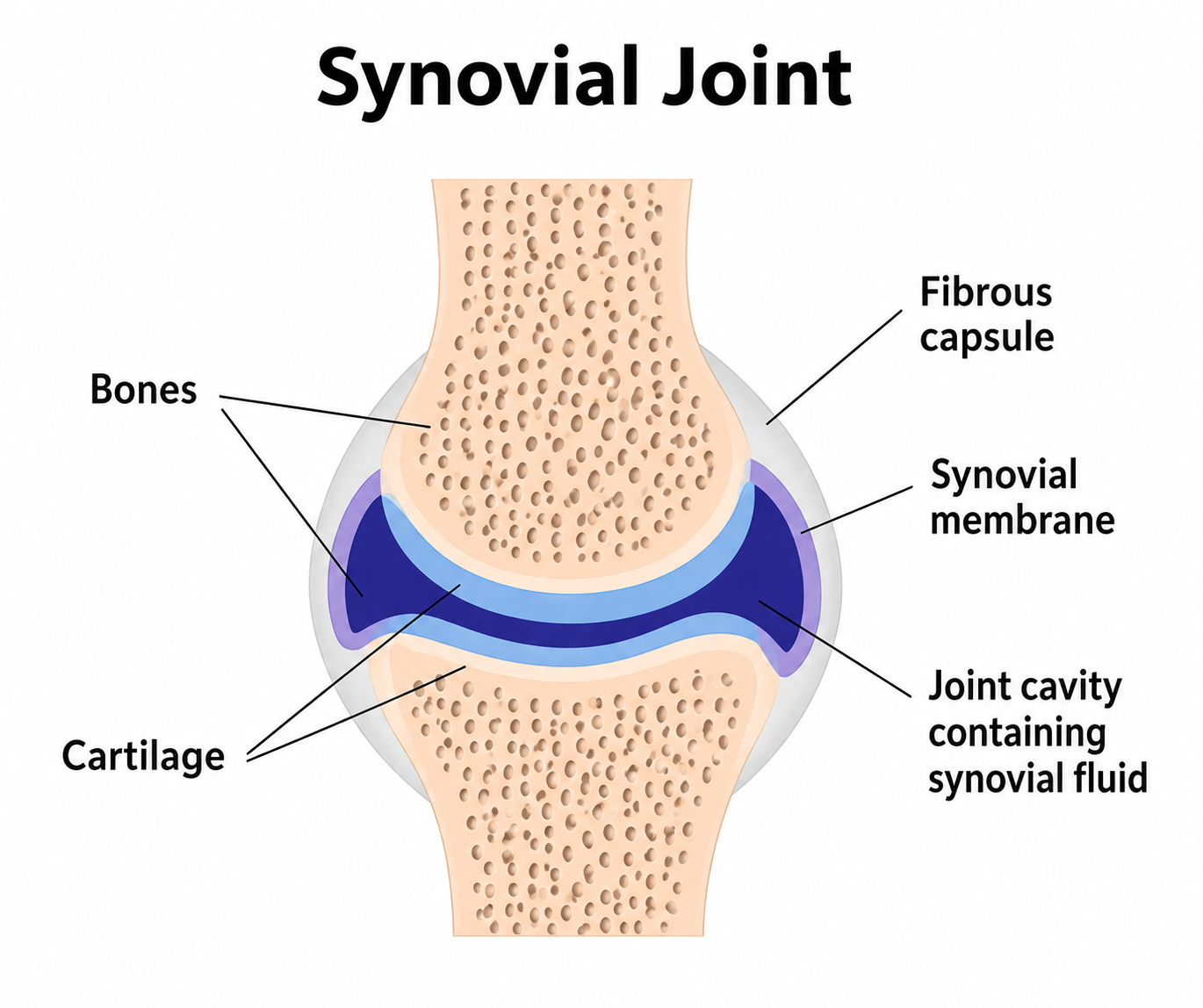
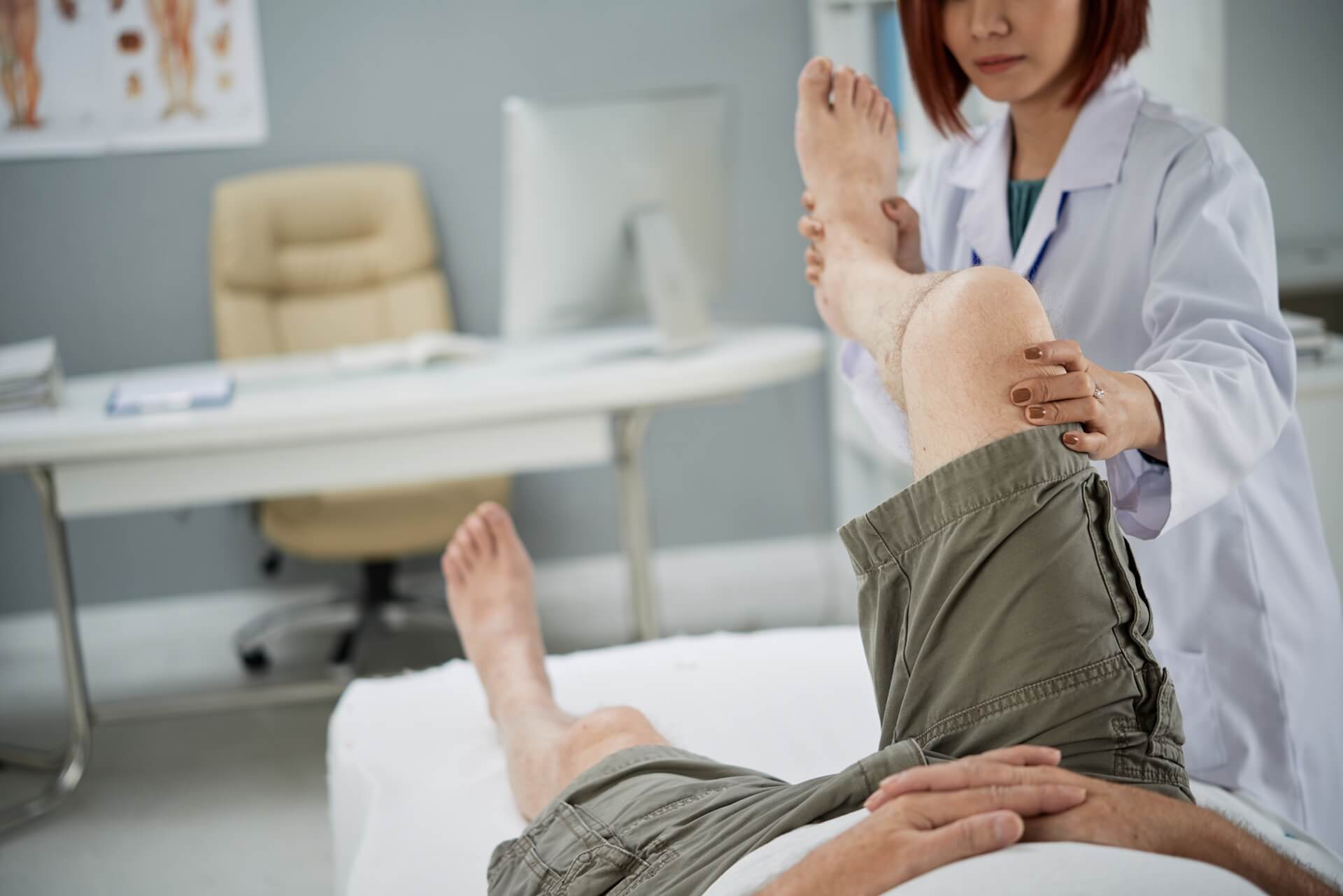
- Physical examination by a sports medicine specialist – examination of the head and neck, chest, heart and lungs, abdomen and joints, depending on the type of sport. In children, posture is also assessed, including the forward bend test to detect possible signs of scoliosis.
- Resting ECG – recording and interpreting the electrical activity of the heart using a 12-lead electrocardiogram.
- Assessment of fitness for sport – the doctor’s final opinion, with the appropriate medical documentation and stamping of the competition booklet where required.
6. What does an extended sports medical examination include?
An extended sports medical examination includes all elements of the basic examination, plus an additional assessment of how the body responds to physical exertion.
- Anthropometric assessment – measuring height and weight and, if needed, assessing body composition.
- Physical examination by a sports medicine specialist – assessment of general health, the heart, lungs, abdomen and musculoskeletal system.
- 12-lead resting ECG – analysis of the electrical activity of the heart.
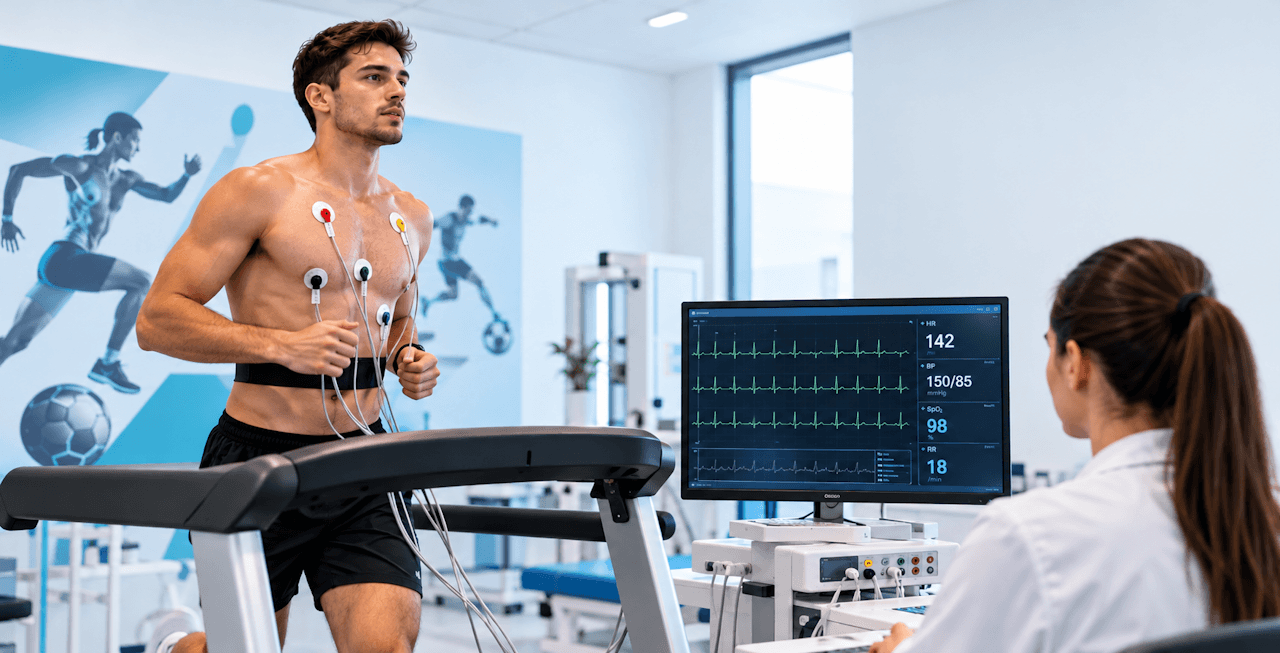
- Exercise stress test – a test on a treadmill or exercise bike, with ECG monitoring during physical exertion.
- Final fitness assessment – the opinion of a sports medicine specialist and the appropriate documentation.
7. What is the difference between a basic and an extended sports medical examination?
The main difference is that the extended sports medical examination also includes an exercise stress test on a treadmill or exercise bike.
During this test, the heart’s response to physical exertion is monitored, including changes in heart rate, rhythm and the ECG recording.
If any abnormalities requiring further assessment are found during the examination, the athlete may be referred for further cardiological evaluation.
8. Who gives the final assessment of an athlete’s fitness?
After the basic or extended sports medical examination, a sports medicine specialist gives the final opinion, i.e. the assessment of fitness for sport.
In accordance with the prescribed requirements, the appropriate certificate is issued or the competition booklet is stamped.
Why you should not put off a sports medical examination
The main goal of sports medical examinations is to protect athletes’ health, recognize possible health risks in time and create the conditions for practicing sport safely.
Regular health checks are especially important for children and young athletes, professional athletes and people returning to more intense physical activity after an illness or injury.
We are your team
At MI Medical Polyclinic, we provide comprehensive healthcare in one place – in orthopedics and X-ray diagnostics, physical and sports medicine, neurology and EMG diagnostics, rheumatology, ophthalmology, internal and general medicine.
Our team of doctors and professional staff is dedicated to every patient, from the first examination and diagnosis to therapy, monitoring and recovery.
You can see the complete price list of our services by clicking HERE.
You can book an examination by clicking HERE or by calling: +381 64 57 57 777.
MI Medical – your recovery is our priority.



 ordinacijamimedical@gmail.com
 Facebook
 @mi.medical_