 Pon - Pet: 07-21h / Sub: 08-14h
 +381 64 57 57 777
 Riste Marjanovića 10
One of the current topics discussed at recent international regenerative medicine congresses is bioactive peptides.
What Are Peptides?
Peptides are short chains of amino acids linked by peptide bonds.

Their role in the body is extremely important. Although they are often smaller than proteins, peptides perform key biological functions, ranging from hormone regulation and immune system support to maintaining the health of the skin, muscles, and joints. This is why they are often referred to as bioactive peptides.
What Types of Peptides Are Used in Treatment?
- Hormonal peptides (such as insulin and growth hormone)
- Neuropeptides (e.g. endorphins)
- Antimicrobial peptides (AMPs)
- Peptides involved in the regulation of hunger (leptin/ghrelin), peptides involved in cardiovascular function, etc.
- Signalling peptides (collagen)
What Are Bioactive Collagen Peptides?
Bioactive collagen peptides are low-molecular-weight collagen fragments (most commonly around 3 kDa) obtained through the controlled enzymatic hydrolysis of collagen.

They are most commonly composed of the amino acids hydroxyproline, proline, and glycine, which are characteristic of the collagen structure.
Unlike intact collagen, these small peptides have high bioavailability and can actively participate in cellular processes.
Why Are They Called Bioactive?
During the metabolism of collagen peptides, specific dipeptides and tripeptides are formed, such as Pro-Hyp and Hyp-Gly.
Research has shown that these peptides do not merely serve as a source of amino acids but can also act as signalling molecules that may:
- stimulate the activity of chondrocytes (cartilage cells) and fibroblasts
- promote the synthesis of collagen (particularly type II collagen) and proteoglycans
- have a beneficial effect on extracellular matrix metabolism
- exert a mild anti-inflammatory effect
I Don’t Like Injections – Why Isn’t Taking Peptides Orally Enough?
When peptides are taken orally, they pass through the stomach and intestines, where they are broken down by enzymes. As a result, a significant proportion may not reach the bloodstream in a form that can produce the desired effect. Injections, on the other hand, allow peptides to be administered directly to the area where they are needed, enabling a more targeted effect.
Therefore, oral peptides may be beneficial, but injections may be considered when a more targeted or localised treatment is required.
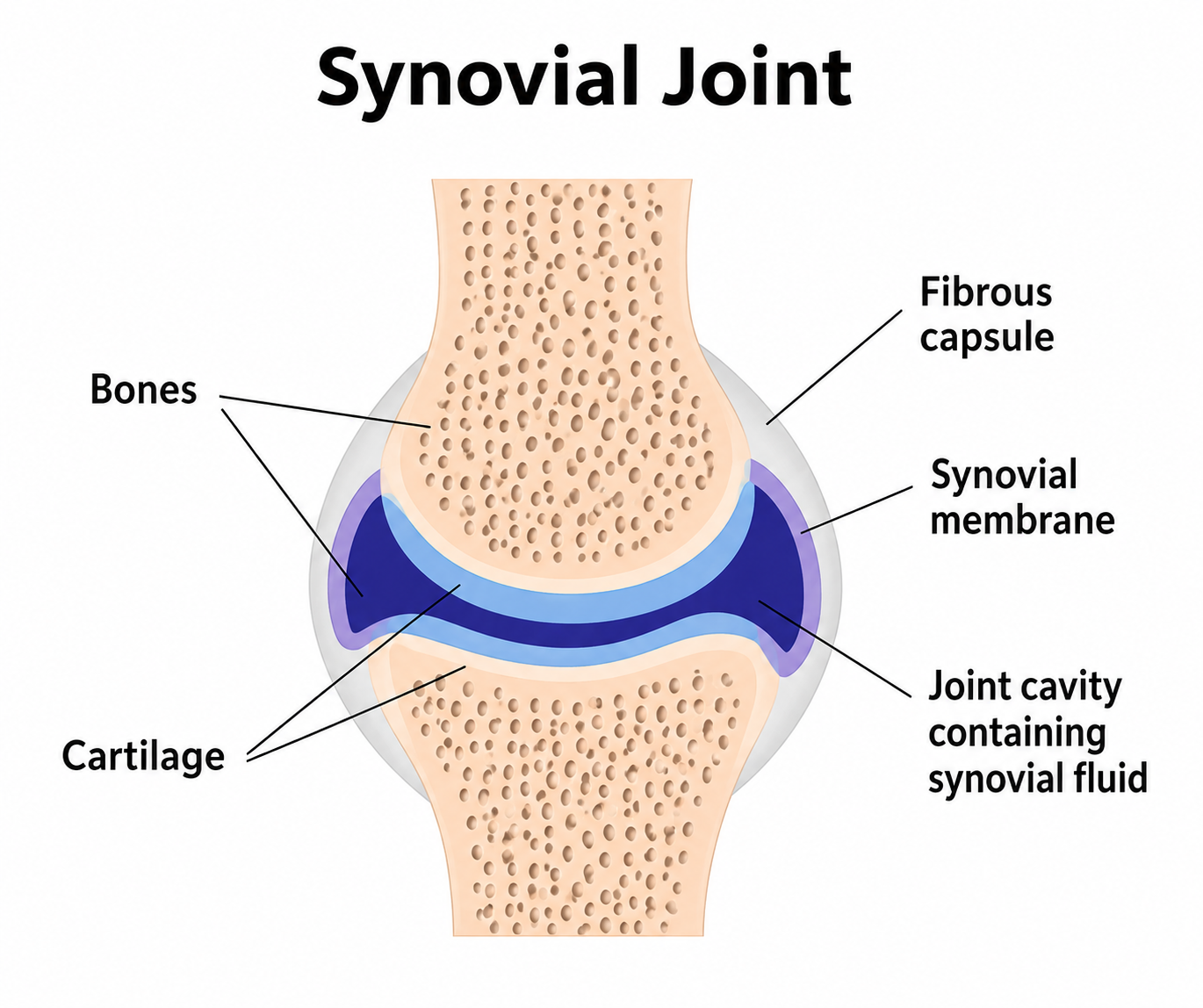
This method allows the doctor to precisely tailor the treatment to the affected area, whether it is a joint, tendon, ligament, or muscle.
Is the Procedure Painful?
The procedure is generally well tolerated, and we aim to minimise discomfort as much as possible. The area may be cooled before the injection, and if necessary, a local anaesthetic can be administered at the injection site. In most cases, this is not required.
Can I Return to My Usual Activities After the Procedure?
In general, it is sufficient to avoid strenuous physical activity for 12 hours after the injection, including training for athletes. Some patients may experience swelling and pain, which usually subside within 48 hours.
As with any injection, depending on the area treated, you may be able to return to your normal activities shortly afterwards. Your doctor will provide specific instructions based on your individual treatment.
Can I Expect Immediate Results?
Peptide therapy does not produce immediate results. The first effects are usually noticed after several weeks, such as reduced pain and improved mobility, as peptides are intended to support the body’s natural recovery mechanisms.
Improvements are gradual, so it is important to have realistic expectations and follow the recommended treatment plan consistently.
In many cases, one injection every 6 months may be recommended, but your doctor will provide an individual treatment plan following an examination and assessment of your condition.
When May Bioactive Collagen Peptides Be Considered?
This therapy may be considered for:
- joint pain and stiffness
- early and moderate stages of osteoarthritis
- sports and recreational injuries
- tendinitis and chronic tendinopathies
- recovery following orthopaedic procedures
- musculoskeletal overuse and strain
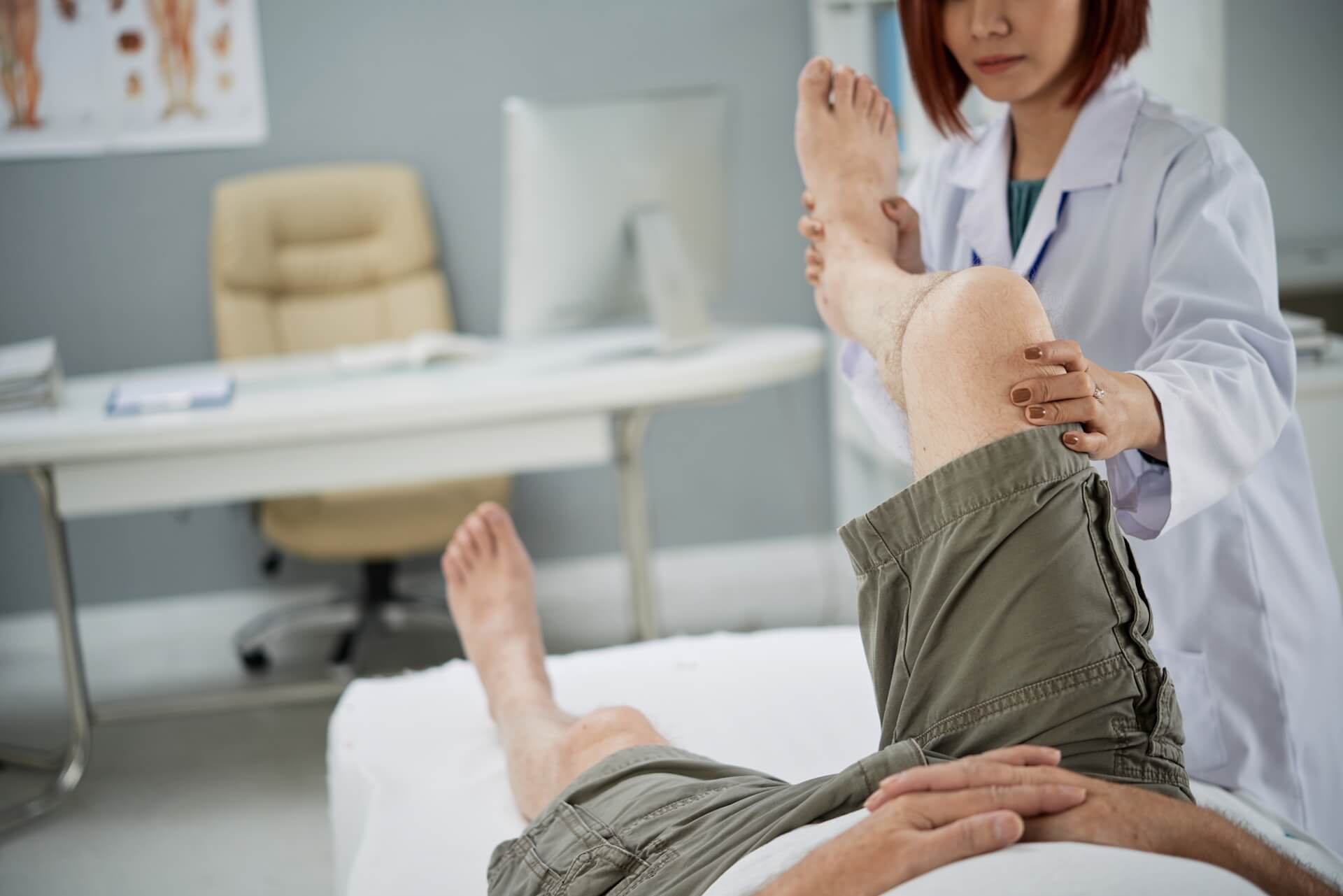
It is important to emphasise that this therapy is always administered following an examination and assessment by a doctor.
We Are Your Team
At Mi Medical Centre for Orthopaedics and Innovative Physical Medicine and Therapy, your recovery is our priority.
You can view the complete price list for our services by clicking HERE.
You can schedule an appointment by clicking HERE or by calling us at: +381 64 57 57 777




 ordinacijamimedical@gmail.com
 Facebook
 @mi.medical_